Keeping your RV’s tires properly inflated is crucial for safe travels. RV tire pressure monitoring systems help ensure your tires are always at the correct pressure.
These systems alert you to changes in tire pressure, preventing potential accidents. Whether you’re a seasoned RVer or a newbie, knowing which system to choose can be challenging. That’s where reviews come in. They provide insights into the best options available.
In this post, we dive into various RV tire pressure monitoring systems. We will explore their features, benefits, and user feedback. By the end, you’ll have a clear idea of which system suits your needs best. So, let’s get started on finding the perfect tire pressure monitoring system for your RV.
Introduction To Rv Tire Pressure Monitoring Systems
RV tire pressure monitoring systems (TPMS) are essential tools for RV owners. These systems help ensure that tires remain at optimal pressure. Proper tire pressure can prevent accidents and improve fuel efficiency. This blog will explore the importance of tire pressure monitoring and its benefits for RV owners.
Importance Of Tire Pressure Monitoring
Maintaining the correct tire pressure is crucial for safety. Overinflated or underinflated tires can lead to tire blowouts. Blowouts can cause accidents and damage the RV. Proper tire pressure also improves fuel efficiency. It reduces the wear and tear on tires, prolonging their lifespan. Checking tire pressure manually can be challenging, especially for large RVs. A TPMS provides real-time tire pressure data. This data helps drivers make informed decisions.
Benefits For Rv Owners
RV owners benefit greatly from using a TPMS. These systems offer peace of mind by ensuring safe travels. They alert drivers of potential tire issues before they become serious. This early warning can prevent costly repairs and accidents. Properly inflated tires improve fuel economy. This means longer trips without frequent refueling. TPMS also helps in maintaining even tire wear. Evenly worn tires last longer and provide a smoother ride. Investing in a TPMS is a smart move for any RV owner.
Key Features To Look For
Choosing the right RV Tire Pressure Monitoring System (TPMS) is crucial for safety and performance. Below are the key features you should consider when making your choice.
Accuracy And Reliability
Accuracy is a vital feature. Your TPMS must provide precise readings to ensure safety. Look for systems with a reputation for reliability. You want a system that can consistently monitor your tire pressure without frequent errors.
- High-Quality Sensors: Ensure the sensors are durable.
- Consistent Readings: Look for user reviews on accuracy.
- Brand Reputation: Trusted brands usually offer better reliability.
Ease Of Installation
Ease of installation can save you time and frustration. A good TPMS should be simple to set up. Many systems offer plug-and-play features. This means you can start using them right out of the box.
- Clear Instructions: Make sure the manual is easy to understand.
- Plug-and-Play: Check if the system requires minimal setup.
- Customer Support: Good support can help with installation issues.
Real-time Alerts
Real-time alerts are essential for immediate action. A good TPMS provides instant notifications for any pressure changes. This feature helps you avoid potential hazards.
| Feature | Importance |
|---|---|
| Instant Notifications | High |
| Visual and Audio Alerts | Medium |
| Customizable Settings | Low |
Top Picks For 2025
RV tire pressure monitoring systems (TPMS) can save lives and money. They alert you to tire issues before they become big problems. With many options available, choosing the right one can be tough. Here are the top picks for 2025.
The TireMinder A1A stands out for its reliability. It offers real-time monitoring and alerts. The display is easy to read. Installation is simple and quick. It covers up to 22 tires, ideal for large RVs. Users praise its accuracy and durability. It also has a one-year warranty.
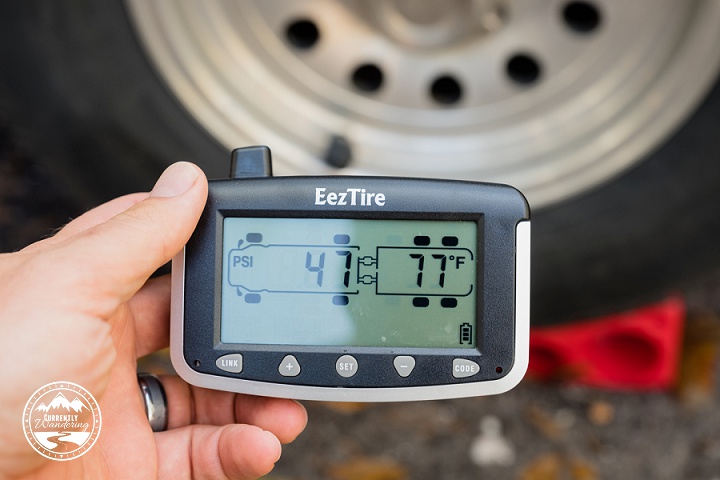
The EEZTire-TPMS is affordable and effective. It monitors up to 26 tires. The screen is clear and easy to read. Alerts for high pressure, low pressure, and temperature are instant. It has a long battery life. Installation is straightforward. Customers appreciate its value for money and reliability.
The PressurePro FX is perfect for large RVs. It monitors up to 40 tires. The system is highly accurate. Alerts are quick and precise. The display is user-friendly. Installation is easy and quick. It comes with a two-year warranty. Users highlight its dependability and ease of use.
Credit: currentlywandering.com
Best Overall System
Choosing the best overall RV tire pressure monitoring system is crucial. It ensures safety and peace of mind during your travels. The system you pick should be reliable, easy to use, and accurate.
Overview And Features
The best overall system offers real-time monitoring. It provides alerts for high or low tire pressure. This system features a user-friendly display. It shows tire pressure and temperature for each tire.
The installation process is simple. Most systems come with sensors that attach to the tire valves. Some advanced models offer smartphone integration. This allows you to monitor tire data from your phone.
Pros And Cons
Pros:
- Improves safety by preventing tire blowouts.
- Provides real-time data and alerts.
- Easy to install and use.
- Extends tire life by maintaining proper pressure.
Cons:
- Initial cost can be high.
- Some systems require regular battery changes.
- Complex systems might be hard to set up.
Customer Reviews
Many users praise the reliability of the best overall system. They appreciate the peace of mind it provides. Customers find the alerts helpful in avoiding tire issues.
Some users mention the high initial cost. But, they believe the benefits outweigh the price. A few customers had trouble with the setup. Reading the manual carefully often solves this issue.
Best Budget Option
Finding the best budget option for an RV Tire Pressure Monitoring System can be a challenge. Many systems on the market can be expensive. But there are affordable choices that still offer good features. Below, we will explore the best budget option for an RV tire pressure monitoring system.
Overview And Features
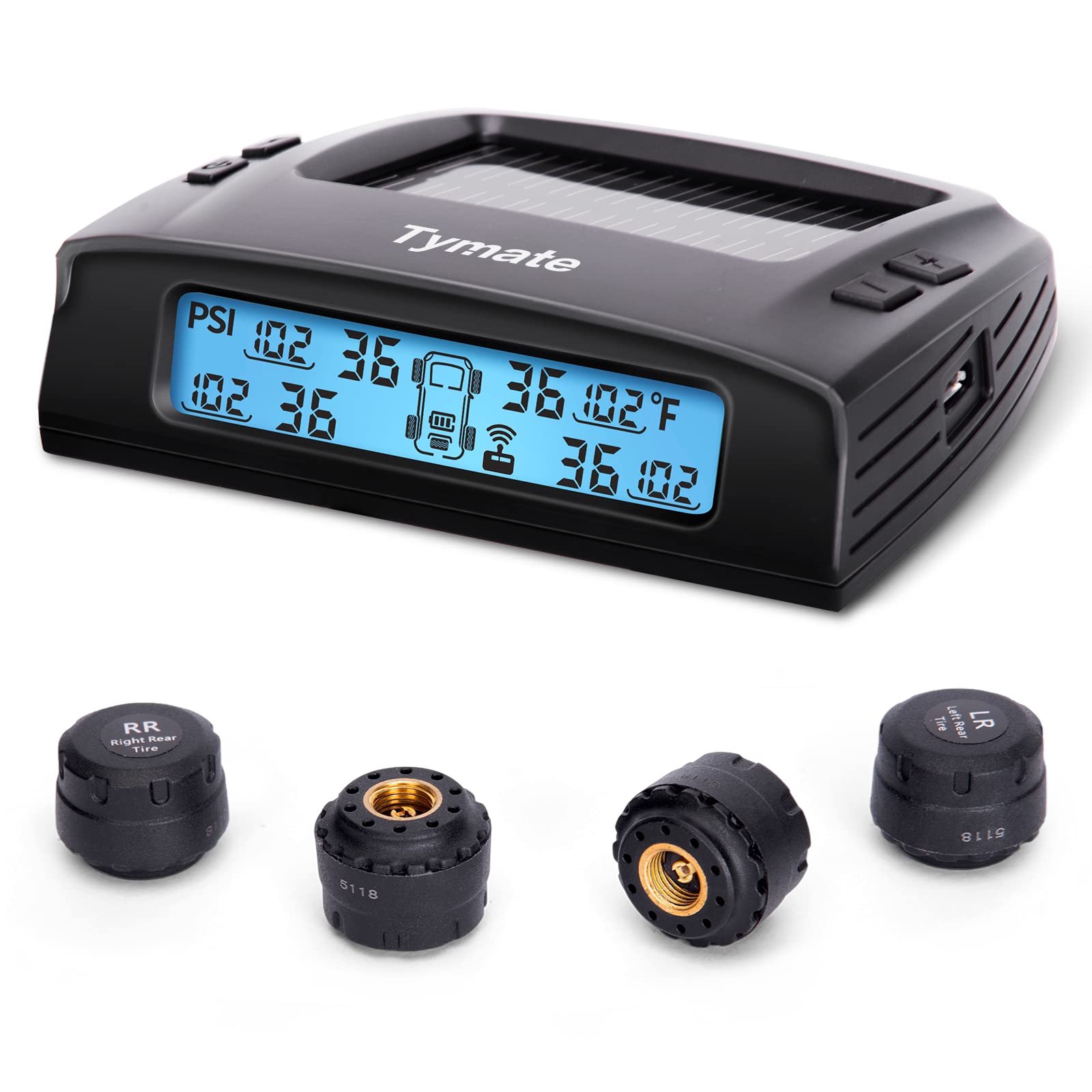
The XYZ TPMS is a top choice for those on a budget. It offers real-time tire pressure monitoring. This system includes four sensors and a compact display unit. The sensors are easy to install. They can be screwed onto the tire valves. The display unit shows pressure and temperature data in real-time. It also has alert settings for low and high pressure.
This system supports up to 4 tires. It is suitable for small to medium-sized RVs. The unit is powered by a USB connection. It can be plugged into any USB port in your RV.
Pros And Cons
| Pros | Cons |
|---|---|
| – Affordable price | – Limited to 4 tires |
| – Easy installation | – Basic display |
| – Real-time monitoring | – USB-powered only |
Customer Reviews
Many customers praise the XYZ TPMS for its affordability. They find the installation process simple and quick. The real-time monitoring feature is highly appreciated. Users feel more secure on the road knowing their tire pressure is constantly being checked.
Some customers mention that the system’s display is basic. They wish it had a more advanced interface. Others note the limitation to 4 tires. This makes it less suitable for larger RVs. But for small to medium RVs, this system works well.
Overall, the XYZ TPMS is a reliable and budget-friendly option. It provides essential features without breaking the bank.

Credit: www.amazon.com
Best For Large Rvs
For large RV owners, choosing the right tire pressure monitoring system (TPMS) is crucial. Large RVs have more tires, increasing the need for a reliable monitoring system. A high-quality TPMS ensures safety and provides peace of mind during long journeys.
Overview And Features
The best TPMS for large RVs offers advanced features. It supports multiple tires, often up to 22. It provides real-time pressure and temperature updates. Many systems include an easy-to-read display. Some even offer smartphone connectivity for instant alerts. These systems are designed for high durability and reliability. They function well in various weather conditions.
Pros And Cons
A top TPMS for large RVs has many advantages. It improves safety by preventing blowouts. It enhances fuel efficiency through proper tire inflation. It reduces tire wear and tear, extending tire life. However, there are some drawbacks. Initial installation may be complex for some users. High-quality systems can be expensive. Regular maintenance is required to ensure accuracy.
Customer Reviews
Customers appreciate the peace of mind a good TPMS offers. Many praise its reliability during long trips. Users find the real-time alerts helpful. The ease of monitoring multiple tires is often highlighted. Some customers mention the high cost but agree it’s worth the investment. A few users report initial setup challenges. However, most find the system user-friendly after installation.
Installation Tips
Installing an RV Tire Pressure Monitoring System (TPMS) can seem complex. With the right guidance, it becomes manageable. Proper installation ensures safety and optimal performance. Follow these tips for a smooth installation process.
Step-by-step Guide
First, gather all necessary tools. You will need a wrench, screwdriver, and the TPMS kit. Ensure your RV is parked on a flat surface. This makes installation easier and safer.
Next, locate the valve stems on your tires. Remove the valve cap from one tire. Attach the TPMS sensor to the valve stem. Tighten it securely using a wrench. Repeat this for all tires, including the spare.
After attaching the sensors, install the TPMS monitor inside your RV. Typically, it goes on the dashboard. Use the provided mount or adhesive to secure it. Turn on the monitor and check if it detects all sensors.
Finally, ensure all sensors are working properly. Check the monitor for correct tire pressure readings. Adjust the pressure if needed.
Common Installation Mistakes
Avoid common mistakes during installation. Do not overtighten the sensors. This can damage the valve stems. Tighten until they are snug but not overly tight.
Ensure sensors are compatible with your tire valves. Some sensors may not fit certain valve types. Check the user manual for compatibility information.
Do not ignore the monitor placement. It should be easily visible while driving. Placing it in a hard-to-see spot can lead to missed alerts.
Finally, test the system after installation. Do not assume it works without testing. Drive for a short distance and monitor the readings.
Maintenance And Troubleshooting
Maintaining and troubleshooting your RV tire pressure monitoring system (TPMS) is essential for a safe journey. A well-functioning TPMS helps prevent tire blowouts and improves fuel efficiency. Below, we provide some essential tips for keeping your system in top shape and resolving common issues.
Regular Maintenance Tips
Regular maintenance ensures your RV TPMS works correctly. Follow these tips:
- Check Sensor Batteries: Replace batteries every 6-12 months to ensure sensors work.
- Clean Sensors: Wipe sensors with a clean, dry cloth to remove dirt and debris.
- Inspect Sensor Seals: Look for wear on rubber seals and replace if damaged.
- Update Firmware: Check for updates to keep the system running smoothly.
- Calibrate Sensors: Follow the manufacturer’s instructions for calibration.
Troubleshooting Common Issues
Even with regular maintenance, you may encounter issues. Here are solutions to common problems:
| Issue | Solution |
|---|---|
| Sensor Not Responding | Replace the battery or reset the sensor. |
| Inaccurate Readings | Recalibrate the sensor or check for obstructions. |
| Low Signal Strength | Ensure sensors are within range or use a signal booster. |
| Frequent Alerts | Check tire pressure and adjust as needed. |
By following these tips and solutions, you can keep your RV TPMS in excellent condition. This ensures a safer and more enjoyable travel experience.
Conclusion And Recommendations
In this section, we will summarize our top picks and give final thoughts on RV Tire Pressure Monitoring Systems (TPMS). This will help you choose the best system for your needs. Proper tire pressure monitoring is crucial for safety and performance.
Summary Of Top Picks
We reviewed several top RV TPMS options. Each offers unique features and benefits. The EEZTire TPMS stands out for its reliable performance and user-friendly design. The TST 507 RV TPMS is highly rated for its accuracy and long battery life. The TireMinder A1A stands out for its ease of installation and clear display. All three systems provide real-time monitoring and alerts.
Final Thoughts
Choosing the right RV TPMS depends on your specific needs. Consider ease of use, battery life, and the number of sensors required. Investing in a quality TPMS can prevent tire blowouts and improve fuel efficiency. Regularly check your tire pressure and maintain your TPMS for optimal performance.
.jpg)
Credit: currentlywandering.com
Frequently Asked Questions
What Is An Rv Tire Pressure Monitoring System?
An RV tire pressure monitoring system monitors the pressure and temperature of your RV tires. It alerts you to any issues. This helps prevent blowouts and ensures safe travels.
How Does An Rv Tire Pressure Monitoring System Work?
An RV tire pressure monitoring system uses sensors on each tire. These sensors send real-time data to a display unit. You can monitor tire pressure and temperature from the display.
Why Is Tire Pressure Monitoring Important For Rvs?
Proper tire pressure is crucial for RV safety and performance. Monitoring prevents blowouts and improves fuel efficiency. It also extends tire life and ensures a smoother ride.
Are Rv Tire Pressure Monitoring Systems Easy To Install?
Yes, most RV tire pressure monitoring systems are user-friendly. They come with detailed instructions. Installation typically involves attaching sensors and setting up the display unit.
Conclusion
Choosing the right RV tire pressure monitoring system is essential. It ensures safe and worry-free travels. Reading reviews helps you make an informed decision. Each system has unique features and benefits. Consider your needs and budget. Safety should always be a priority.
Regularly check your tire pressure for best results. Enjoy your journey with peace of mind.